Fall Foliage

October 26th, 2009

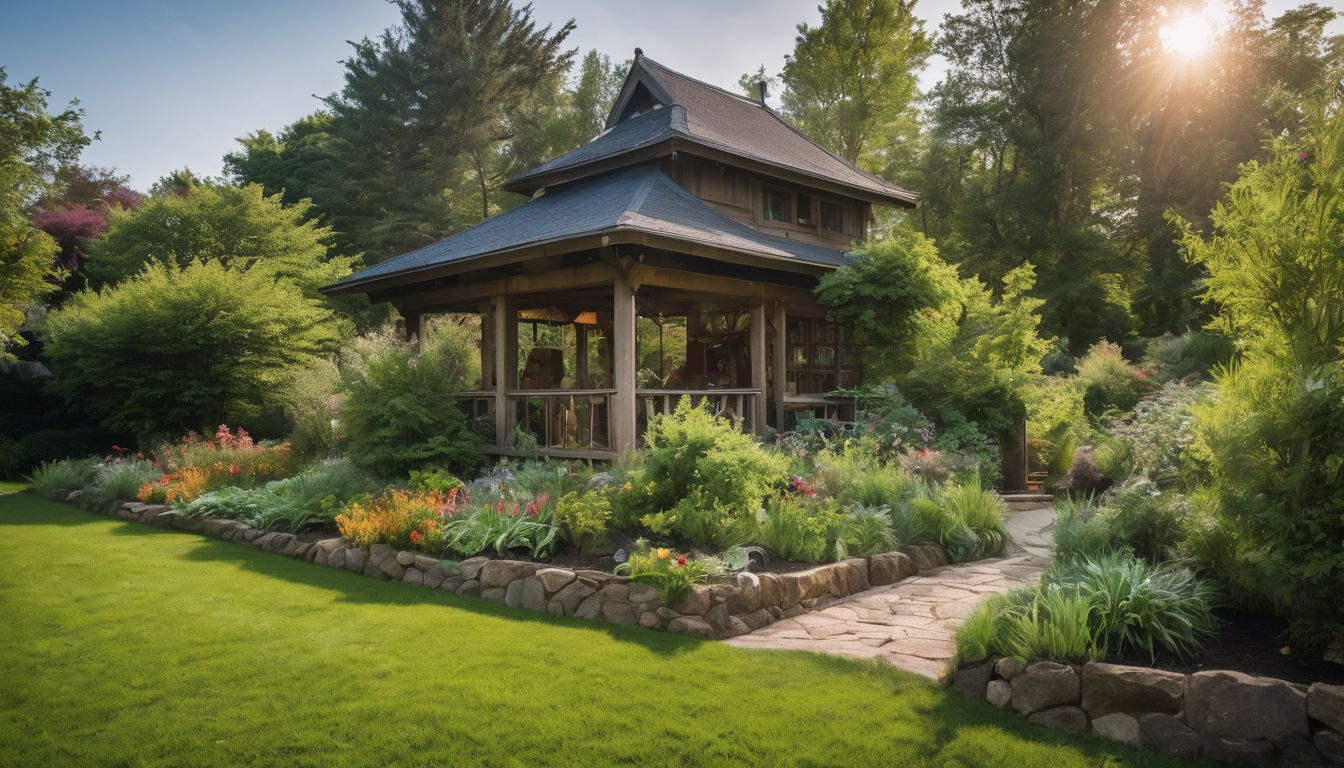
This is a beautiful time of year in Maine — a little reward from God before the long, cold winter sets in!  A couple weeks ago, when foliage was at its peak, my wife and I, and a couple friends, took a ride around the area.  Here are some of the photos.

Christian Homesteading Forum

August 21st, 2009

After many months, we have re-launched the forum.  This time, there are controls in place to prevent the spam postings that prompted us to shut it down.  Visit the forum today and use it to connect with other Christian homesteaders:

http://christianhomesteading.com/forum/

Growing Garlic

August 19th, 2009

Last week we harvested our garlic.  The bulbs are the smallest we’ve ever had.  I read that the summer heat plays an important role in the formation of the bulb, and this year we have had an extraordinarily cool summer with record or near-record (depending on who you ask) rainfall.  It wasn’t until late last week that we started seeing the typical summer weather (high 70s and 80s) here.

One thing I have noticed in the past is that the smaller bulbs usually have stronger flavor.  At least with the variety we grow, the larger the bulb is, the milder the flavor usually is.  Still, I like to see the bigger bulbs.

How to Grow Garlic

If you aren’t already growing garlic, you may want to give it a try.  It’s one of the easiest foods to grow, it tastes great, and we all know how great it is for our immune systems.

Many seed companies offer at least one variety of garlic.  My favorite source for seeds and bulbs is Fedco ( http://www.fedcoseeds.com/ ), right here in Maine.  They specialize in varieties of plants that grow in cooler climates, but they have ones that will grow anywhere.  They also support small-scale and sustainable agriculture by working with many small, local seed producers.

Look through their bulbs catalog ( http://www.fedcoseeds.com/bulbs.htm ) to find a variety of garlic that you like.

You could also just buy some bulbs at your local grocery store, but there’s no guarantee that they will be suited for your local climate.

How to Plant Garlic

Here in the north, we plant our garlic in the fall.  I am told that down south it is planted in February, but up here you would need a jackhammer to plant anything in the ground in February.  I once, in desperation, planted in April.  The bulbs did not grow very large, but it was good enough to propagate my seed for another year.

We plant ours in the second or third week of October.  We use an informal raised bed (soil raised 8-12 inches above the ground with about 1/2 inch of compost worked into it each year), but that is not a requirement.  You can grow garlic just about anywhere.

Pull the cloves off of the bulbs and plant then, pointed end up, about 6-8 inches apart.  You’ll find that as you are pulling the cloves off the bulbs,  some of the cloves will lose their protective covering.  If the sheath of dry “skin” over the clove breaks off, set it aside for eating unless you are short on seed.  It may still grow, but the cloves with intact “skin” will have a better chance of flourishing.

Because we plant in the fall, we add about 2 inches of loose straw (animal bedding works really nicely for us) over the top of the bed.  It helps protects the plants over the winter, and it helps with weed control all year long.  Don’t put too much straw on the bed, or you may have rodent and fungus problems.

From there on, the garlic is pretty much maintenance-free.

In about three weeks you should see green shoots poking out of the straw.  They’ll look just like onion shoots — thick and grass-like.  Ours is usually about 6 inches high when the snow flies.

Caring for Your Garlic

As soon as the ground thaws in the spring, you’ll notice that the garlic begins to grow again.  You may need to weed occasionally if a weed penetrates the straw cover.  If you have a particularly dry summer, go ahead and water it lightly.

As the plants mature, they will begin growing their reproductive parts, called scapes.  The scapes are long, usually curly, shoots that grow out of the very top of the plant.  There is a small bulge in the shoot, which gets larger and larger as the plant matures.  Eventually the bulge grows into a flower, which in turn produces a seed head.  The seeds are soft and very garlicy-tasting.  They probably have a culinary use, but I have never experimented with them.

Many growers will cut the scapes when the bulge first begins to appear in them.  They say that this helps the plant put more energy into bulb production, which makes sense.  We cut the scapes on our garlic.  It’s an exciting time of the summer, because it’s like an early harvest.  The scapes have all kinds of food uses.  Basically, you can use them just like you use chives or green onions, except they give your food a very nice garlic flavor instead of an onion flavor.  They are great in stir fries, soups, and casseroles.  I have not tried drying scapes, so I don’t know how they would hold their flavor over time.

How to Harvest Garlic

About one month after the scapes appear, the garlic will be ready for harvest.  For us, harvest time is the last week of July or the first week of August.  You can tell by watching the leaves die on the plants.  The leaves will dies beginning with the top-most leaf and working downward.  When the first leaf is dead and the next one is dying, it’s time to harvest.

To harvest, pull the bulbs out of the ground and wash gently in water to get all of the dirt off.  Try not to thump the bulbs on anything, as bruises will cause the garlic to rot instead of cure.  If you do thump one of the bulbs by accident, use it for food sometime in the next 2-3 days.

How to Cure Garlic

Once the garlic is washed, tie the plants in bunches and hang them in a dry, shaded place.  Don’t expose them to direct sunlight.  We hang ours in the dining room.  Some hang theirs in the barn.  As long as they stay dry and out of the sun, you’re all set.

Let the garlic hang for about 2 weeks.  During this time, it is “curing” so that it will keep longer.  The whole plant will dry up during this time, and the outer layer of the bulb will dry.  Once cured, clip the bulbs off of the plants about 2 inches above the bulb and trim the roots off the bottoms of the bulbs.  Discard or compost the dry plant.  Store the bulbs in a net or paper bag.

Do not store the bulbs in a plastic bag or container.  They will rot.

When storing, pull out the best-formed bulbs — those with 4-5 nice, large, well-formed cloves.  These will be your seed for the next crop.  Pull out as many as you need for planting, and eat the rest.

How to Preserve Garlic

Depending on how the garlic is stored, you will notice that at some point in late winter or early spring the cloves will begin to sprout.  They are still fine for eating at this point, but as the shoots grow the cloves lose their flavor.

You can preserve your garlic longer by pickling, drying, or freezing it.  I have not tried pickling or drying yet, but I have found that it freezes very well.  To freeze, peel the paper covering off of the cloves and chop them up to the size that you think you will use them in your cooking.  You may wish to wear a glove on the hand that is holding the garlic, because the garlic oil will begin irritating your skin after several minutes of continual exposure.

After chopping, put the garlic in freezer bags, plastic containers, or glass containers (the small jelly jars work nicely!).  Add olive oil to fill all the air pockets between garlic pieces.  If using a freezer bag, squeeze out all of the extra air at the top of the bag after adding the oil, and seal.  With rigid containers, fill with oil as near as possible to the top of the container, then seal the lid tightly.  Your garlic is now ready for the freezer.

I love garlic.  I put it on almost everything.  I’ve even been known to make a garlic “tea” using the scapes.  But, one of the things I love most about garlic is how easy it is to grow!

Cheap ways to save money this winter

October 7th, 2008

It’s a little scary to see winter coming at us again. Last year, heating was so expensive and we got so much snow that it really took the fun and enjoyment out of winter.

I don’t know how much snow we are in for this year, but I think we can be certain that heating costs will be even higher. Seasoned firewood is already selling for $275-$300 per cord around here. At that price, you don’t save a whole lot over oil.

Below is my effort at helping folks have a little easier time this winter.

8 Ways to Save Money This Winter

1. Buy green, but don’t burn green. Okay, this won’t help this winter, but it will help a lot next winter. If you heat with wood, always be working on next winter’s wood, not this winter’s. If you buy your wood, buy next winter’s wood green so it has plenty of time to dry. If you cut your wood, cut for next winter, not this winter. Green wood burns very inefficiently. Some varieties of wood will consume about as many BTUs to combust it as it will release. Dry, well-seasoned wood is always the best to burn, but always buy it green or cut it yourself and let it season. Don’t buy seasoned wood, since the cost plus all the extra handling actually make heating oil very attractive.

2. Caulking. Windows are probably the biggest heat expellers in your house. Check the caulking to make sure they are well-sealed around the whole perimeter of the window, inside and out. Caulking dries, cracks, and peels over time, so you’ll want to check before each winter. When we moved in here, we found that the windows in our place had never been caulked.

You can caulk them yourself — this isn’t something you need to hire someone to do for you. If you’ve never done it before, just get a caulking gun and a couple tubes of caulking and start practicing on windows that are out of the public view. It’s really not rocket science.

Be careful using that spray foam to fill in gaps around windows. The foam expands as it cures and can warp your window frame and even crack the windows. That would not help you save money this winter. If you use the foam spray, either get the special (more expensive, of course) kind for windows and doors, or use the regular stuff and spray in a lot less than you think you’ll need.  Use it at your own risk!

3. Window coverings. The old-timers would put quilts over their windows to help keep the draft out. We have put blankets over windows and doors. Using a variation on this idea, we have cut out window-sized rectangles from 2-inch styrofoam boards and put those over some windows. Put them on at night, and take them off when the sun comes out the next day. On windows that we cover “permanently” for the winter, we seal the covering (plastic sheeting, blanket, styrofoam) with duct tape around the edges. Duct tape is the homesteader’s best friend.

4. Water heater. Check the temperature on your water heater. If it’s over 120, consider turning it down to to 110 or 120. You’ll see an immediate savings — especially if your water heater is in an unheated portion of your home. You’ll quickly adapt to the new temperature settings, and you won’t have to worry anymore about the kids getting burned.

5. Water-saving. In most homes, used hot water flows right down the drain and outside the house, so the heat in it is entirely wasted.  Consider water-conservation techniques to reduce your hot-water heating costs.  The less water you have to heat, the less it will cost you.  Consider taking shorter showers, showers instead of baths, turning water off while brushing teeth, etc.  If you do take a bath, consider letting the water sit undrained in the tub until it is cold, so that you can recover that heat into your home instead of losing it down the drain.  The same applies to dish water and any other hot or warm water that would normally go down the drain.

6. Doors leaks. Check the weather stripping around your doors.  If you don’t have any, you can buy the plastic gasket-like kind at almost any hardware store, or you can strip out some wood and nail it to the outside of the door frame, overlapping the door itself just enough to cover any gaps between the door and the door frame.  Check the door frame itself the be sure it is tight.  You may need caulking there, too.  Again, be careful if you choose to use the spray foam.  It expands so much that it could warp the door frame.  The item above, regarding window coverings, applies to doors, too.  Cover it on the inside with a blanket, quilt, or Styrofoam insulation board at night.

7. Turn the temperature down. Run a cooler house.  A sweater or extra layer of clothes is cheaper than wood/oil/gas heat.  That may seem austere, but these are difficult times we live in.  It’s not like the era we grew up in (speaking as a 40-something).  We need to exchange comfort for resource-savings if we are to survive.  There’s nothing wrong with heating to 60-65 during the day and 50-55 at night (you’re under the blankets then, anyway).  Bacteria grows more slowly at cooler temperatures, so maybe we’ll be healthier, too.

The old farmhouse my dad grew up in was not heated at all during the night, except with what was left in the stove when it was closed up at the end of the day.  He loved having the barn chores, because often the barn (with its milk cows) was warmer than the house in the morning.  And, we’re talking about a part of Maine that regularly drops below zero on nights in the deep of winter.    And that whole generation survived, somehow.  Today we have plumbing that has be stay above freezing, so it’s a little more complicated for us.  All these modern conveniences, such as running water, come with a price.

8. Insulate, insulate, insulate. A news article last winter claimed that, for the first time, every $1 spent on insulation of a home would save $1 in heating costs that same winter.  If you have areas that lack sufficient insulation, now is the time to take care of it.  You’ll spend the same amount of money one way or another — either on insulation or on extra heating fuel.  You might as well put the money into the insulation, since next  year you’ll already be “in the profit” with your investment.

Falling Foliage

October 4th, 2008

Well, at least we had it for a short time.

Our leaf color peaked early this week.  It was brilliant!  I think the fall colors are God’s way of giving us some kind of pleasure at a time of year when we are sliding inevitably into another cold, long winter.

A close-up of some red maple

Usually, once the foliage peaks, it stays around for a while, showing off the Maine woods like a proud peacock in all its glory.  But this year we had a couple days of wind, and it’s gone.  As I look out the window right now, I see that about half the deciduous trees are completely bare of leaves, now.  Others are still clinging to some color, but are scraggly-looking, having lost many of their leaves.

The hillside to our east was just spectacular on Monday and Tuesday.  It was painted with every share of yellow, orange, red, maroon you could imagine, with the green pines and darker green firs and spruce splashed in here and there.  Today, most of its glory is gone.  There are still many colors there, but the grays and browns are dominating it now.

Well, here comes another winter.  I can’t wait until spring to see those first green chutes coming out on these same trees.

Strange hens …

October 3rd, 2008
A hen in the tree.

A hen in the tree.

I had never seen this before, so it surprised me a couple years ago when it first happened.

I suppose it is perfectly natural, given their instincts to roost as high as possible to avoid danger.

Many of our laying hens and roosters do not go into the coop to roost at night.  Instead, they roost in a tree.

There used to be a half dozen trees they roosted in, but now there is one particular tree they favor.

The Roosting Tree.

The Roosting Tree.

Some of the chickens do go in the coop at night.  And that’s where I would rather have them go.  We feed them in the coop to encourage them to go there.  But, about half of them stay outside at night.

During the winter, we have to catch them on cold days and lock them inside the coop in order to save their lives.  If they are left outside, the go right back to the roosting tree at evening, even if it’s -10F outside.  You’d think that their instinct would guide them to a warm, sheltered place in bad weather.

But, no, they have to have their tree.  If it’s storming, sometimes they will stay in it all day and all night.  It’s really funny to get up in the morning and see chickens all covered in snow, sitting in that tree.

If we let them, they’ll roost in that tree through rain, sleet, snow, and ice.

Chickens aren’t a particularly smart animal.  Most of the “smarts” and good instincts have been bred out of them over the years in favor of egg-laying genes.  Many commercial breeds have even lost their brooding instinct and thus will incubate and hatch out eggs themselves.

Still, you’d think that they could process a simple equation like: “If I roost here, I’ll be cold and wet; if I roost in there, I’ll be warm and dry.”

Not these chickens!

New chicks!

September 24th, 2008

Two hens have hatched out chicks! There’s still one more hen sitting on eggs.

What a rough time of year for chicks to be born. We’ve already had a couple hard frosts. The nights are getting down into the high 20’s and low 30’s. The days are in the low- to mid-60s.

Chicks are so fragile. It’s amazing that they can survive in the barn. We do not have pigs or cows this year, so there is no large animal to heat the barn (well, it’s more of a shed than a barn).

One of the things I love about home schooling is that unplanned events can turn into the most fruitful learning experiences. This was one of those times. Our oldest daughter was out feeding the chickens when she saw a chick running around in front of the barn. She looked around and found a hen with eggs hatching.

The children have seen new chicks many times, but they had never watched them hatch before. This was a great opportunity for them.

They got several photos, and even some short video, of the chicks hatching.

Not all learning experiences are pleasant. They put a dish of water

down for the chicks and mother. When they came back later, there were two chicks in it. One was drowned and the other was well on its way. They rescued the one that was still alive and dried it out, then put it back with the hen, and dumped out much of the water from the dish, so that it wasn’t deep enough to drown any more chicks.

Harvesting rose hips

September 23rd, 2008
Rose hips from our rose.

These rose hips are actually more red in color than this photo shows.

We’ve had our Rosa Rugosa for four years, but this is the first year I’ve been able to taste a rose hip.

Since before written history, rose hips have been harvested in the wild and used as a food source.  They are one of the most concentrated sources of vitamin C anywhere in nature.  They are used for teas, jellies, jams, and even soup.  During World War II, the government of Great Britain distributed rose hip syrup to families throughout the country to be sure children were receiving enough vitamin C, since access to many fruits was hampered by the war.

I eagerly watched my rose bush that first year, and it grew little green hips which then turned black and fell off.  The next year, many of the hips turned orange, but I was preoccupied with other things and did not harvest them.  Last year, I was determined not to let them go.  I watched as the hips grew and turned orange.  After the first hard frost, I dutifully harvested them and took them inside to dry them.

That was when I first tasted a rose hip.  I bit off a little piece in my mouth.  I spit it out along with a bunch of seeds.  “What’s all the fuss about this stuff?” I thought.  It was not pleasant at all.

This year, something remarkable happened.  I watched the hips grow and turn orange, but this time I didn’t have an inclination to harvest them.  Not after last year.  I figured I’d leave them on the bush for the birds to eat during the winter.

Then, one day last week I was walking out the door and past the rose bush and noticed something I had not seen before.  The hips were turning red.  They didn’t stop ripening at “orange,” but kept darkening.  Right in front of me was a rich, tomato-red hip the size of a crab apple.

I plucked it off and took a small bite of the flesh, almost cringing as I remembered last year’s experience.  Wow!  It was juicy, soft, and had a rich fruity taste.  It was something like a cross between an apple and a cantalope in flavor.

Sorry, birds.  No hips for you this year.  I harvested the ripe ones and set them inside to dry.  We’ve picked a couple more that have ripened off since then.  I can’t wait to try the tea.

My problem last year was partly one of bad information and partly of impatience.  The information I read said that the hips should be harvested after the first frosts but before a killing frost.  Well, they simply weren’t ripened off by then.  This year, we had at least three hard, killing frosts before I tasted that first, delicious rose hip.

Once they have dried and I’ve tried the first cup of fresh-from-the-homestead rose hip tea, I’ll let you know how it was.

Some more information about rose hips: